
Individuals seeking reliable connectivity or verification services often turn to pre-paid cards issued by major American telecom providers because they offer competitive rates for international calls and a high signal density for receiving SMS verification codes. This card functions similarly to a standard prepaid SIM but usually comes with a fixed balance of fifteen dollars, allowing users to maintain connectivity for a significant period without the need for monthly contract commitments. The appeal of these cards lies in their ability to bypass local network restrictions and provide a consistent digital identity across various platforms, which is highly valued by freelancers, gamers, and traders.
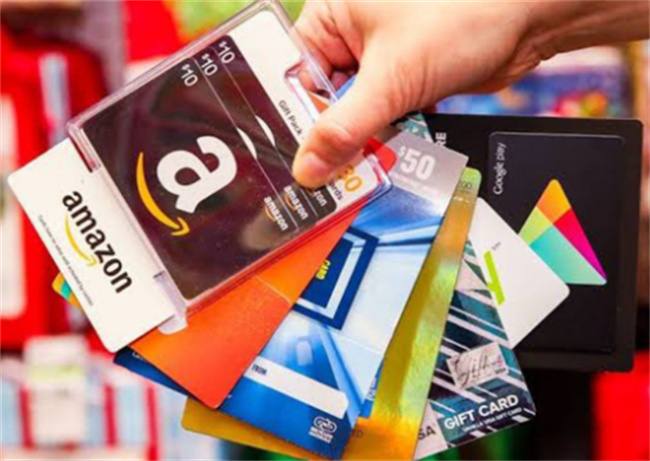
When discussing the exchange rate from this card to Naira, it is important to understand that the value fluctuates based on the current interbank rate and the specific fee structure of the local agent or exchange platform facilitating the transaction. The process typically involves unlocking the balance on the card, which is often sold in the form of a card number and PIN, and then transferring this value to a buyer in Nigeria at a discounted rate. A fifteen dollar balance might not yield the full face value in Naira due to markups applied by the vendor to cover processing fees and the inherent risks associated with carding and resale. Consequently, users must verify the exchange rate beforehand to ensure they are receiving a fair return on their investment.
From a technical perspective, securing the card's information is paramount to prevent unauthorized access to the remaining balance. One must ensure that the device used to activate or check the balance is secure and that the digital wallet or account linked to the card does not have suspicious activity. Furthermore, maintaining a stable data connection is crucial when trying to transfer the balance or activate the card remotely, as any interruption can render the transaction void. Always rely on reputable agents when selling the card value, as the final conversion success depends heavily on the legitimacy of the transaction channel.